Choosing the right wood for a bathroom vanity is about more than appearance. Bathrooms have humidity, water splashes, and frequent temperature changes. The wrong material may swell, warp, or deteriorate over time.
So, what is the best wood for bathroom vanity projects?
The answer depends on your budget, bathroom conditions, preferred style, and maintenance needs. Teak, white oak, maple, walnut, and cherry are popular hardwood options. Quality plywood can also be a practical choice for vanity cabinets.
In this guide, we will compare different bathroom vanity wood types, explain which materials work best for cabinets and shelves, and help you choose the right wood for bathroom projects.
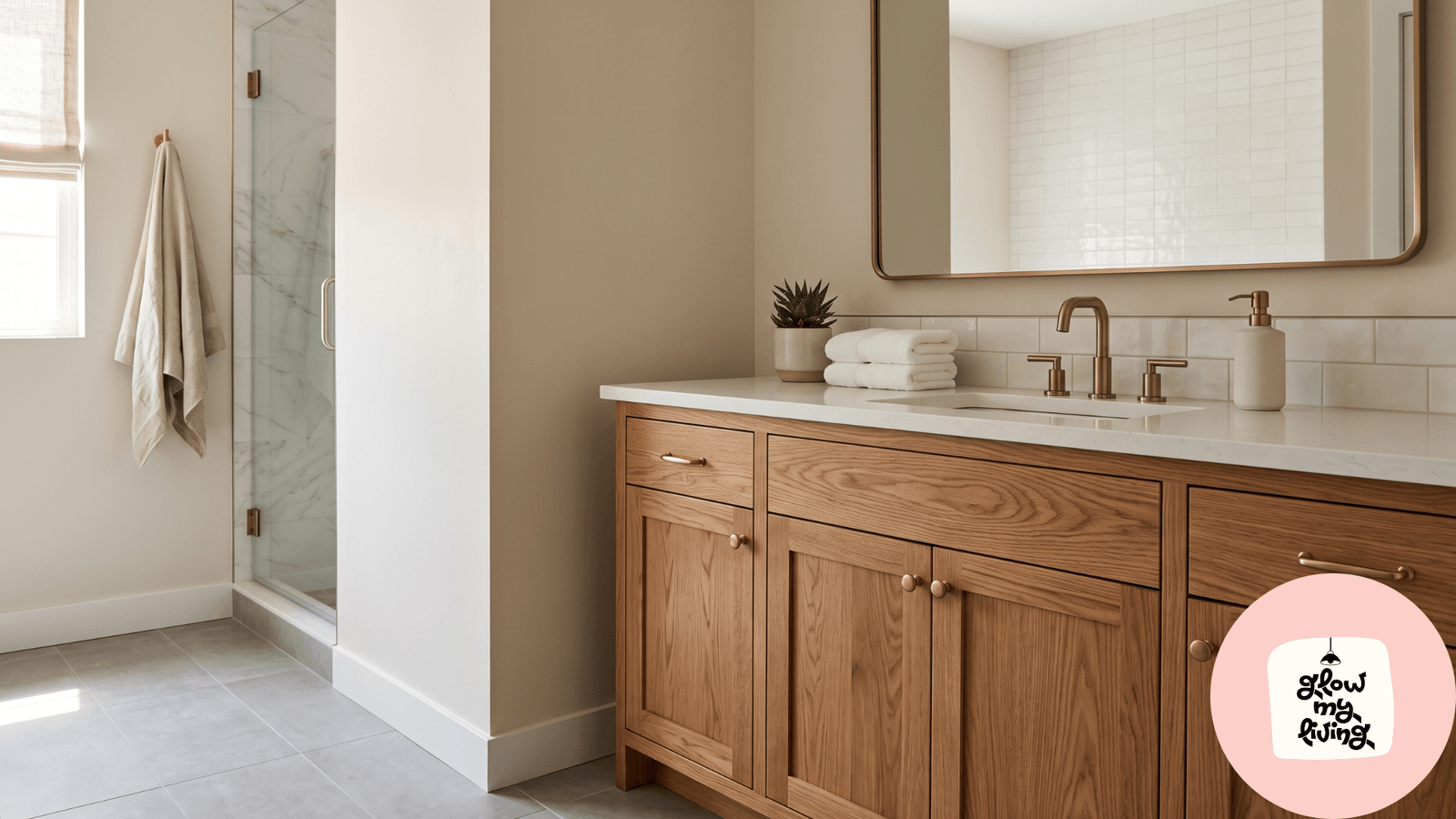
What Makes a Wood Ideal for Bathroom Use?
Bathrooms create a more challenging environment for wood than bedrooms or living rooms. The material you choose needs to handle moisture while still looking good after regular use.
Here are the main things to consider.
Moisture Resistance
Moisture is one of the biggest concerns when choosing wood for a bathroom.
Showers, sinks, and wet towels can increase humidity and expose nearby furniture to water. A suitable material should handle normal bathroom moisture without quickly absorbing water.
However, moisture-resistant does not mean waterproof. Even durable wood needs proper protection.
Durability
A vanity is used every day. Doors open, drawers close, and the countertop gets exposed to water and cleaning products.
Durable materials are better suited to this type of regular use.
Stability
Natural wood can expand and contract as humidity changes.
This is particularly important in a bathroom because humidity can increase significantly during a hot shower and decrease afterward.
Appearance
Your vanity is also a major part of the bathroom's design.
Some people prefer the clean appearance of maple, while others like the noticeable grain of oak or the darker appearance of walnut.
The best choice should work with the rest of your bathroom rather than looking like an afterthought.
Best Wood for Bathroom Vanity: 5 Options to Consider
There is no single wood that is perfect for every bathroom. Different woods offer different combinations of durability, appearance, price, and moisture resistance.
Here are five options worth considering.
1. Teak
Teak is often considered when moisture resistance is a major priority.
It naturally contains oils that help it resist moisture better than many other types of wood. It also has a warm color and distinctive grain.
That makes it an attractive choice for a natural-looking vanity.
The main disadvantage is cost. Teak can be more expensive than many other hardwoods.
2. White Oak
White oak is one of the most versatile hardwood options for bathroom furniture.
It has a distinctive grain and works with modern, traditional, farmhouse, and transitional bathroom styles.
It is also durable and can be stained or finished in different ways.
White oak is not waterproof, though, so proper protection is still important.
3. Maple
Maple has a relatively clean and subtle grain.
It works well when you want a simple vanity that does not have an overly dramatic wood pattern.
Maple can also be stained or painted, giving you more flexibility when designing the bathroom.
Like other natural woods, it should be properly protected before being used in a moisture-prone room.
4. Walnut
Walnut is a popular choice for homeowners who want a richer and more luxurious appearance.
Its darker color and natural grain can make a vanity look more like a piece of furniture than a standard bathroom cabinet.
The downside is that walnut can cost more than some other commonly available hardwoods.
5. Cherry
Cherry has a warm appearance and is commonly used in furniture and cabinetry.
Its color can deepen over time, giving it a classic look.
It can work particularly well in traditional bathrooms or spaces where you want the vanity to have a furniture style appearance.
Also read: Best Bathroom Mirrors
Bathroom Vanity Wood Types: Solid Wood, Plywood, and MDF
When shopping for a vanity, the word "wood" does not always mean solid hardwood.
Bathroom vanities can be made from solid wood, plywood, MDF, or a combination of materials.
Understanding the difference makes it easier to compare products.
Solid Wood
Solid wood is made from natural pieces of timber.
It offers an authentic wood appearance and can often be sanded and refinished. It is commonly used for doors, drawer fronts, and furniture-style vanities.
However, solid wood can be more expensive and can respond to changes in humidity.
Plywood
Plywood is made by bonding multiple layers of wood veneer together.
This layered construction provides good strength and stability, making plywood useful for cabinet construction.
Quality plywood can be a practical option when you want a durable vanity without using solid hardwood throughout the entire cabinet.
MDF
MDF is made from compressed wood fibers.
It has a smooth surface and is often used for painted cabinetry.
Standard MDF is not a good choice for areas with significant water exposure. Moisture-resistant MDF can be more appropriate for certain bathroom applications, but the construction and protection still matter.
Is Plywood Good for Bathroom Vanity?
Yes, plywood can be a good material for a bathroom vanity, particularly for the cabinet structure.
Its layered construction gives it good stability, which can make it practical for bathroom cabinetry.
However, not all plywood products are the same.
When choosing plywood for bathroom cabinets, consider the grade, thickness, construction, adhesive, surface quality, and edge protection.
The exposed edges deserve particular attention because they can be vulnerable to moisture.
So, if you are wondering is plywood good for bathroom vanity construction, the answer is yes when you choose suitable plywood and protect it properly.
Best Plywood for Bathroom Cabinets
The best plywood for bathroom cabinets is not necessarily the thickest or most expensive plywood available.
Instead, look for quality cabinet-grade plywood that is appropriate for the conditions where it will be used.
Before buying, consider:
Plywood intended for demanding or moisture-prone applications can be particularly useful.
The way the cabinet is built matters too. Even good plywood can develop problems if exposed edges are left unprotected or water is allowed to sit on the surface.
What Is the Best Material for Bathroom Vanity Cabinet?
The best material for bathroom vanity cabinet construction depends on your priorities.
Solid hardwood is a good choice when natural appearance and furniture-style quality are important.
Quality plywood is often a practical option when strength and stability are priorities.
Moisture-resistant MDF can work well when you want a smooth painted finish and a more budget-friendly material.
You can also combine materials.
For example, a vanity could use plywood for the cabinet box and solid wood for the doors and drawer fronts.
This can provide a good balance between appearance, durability, and cost.
What Is the Best Wood for Bathroom Cabinets?
When choosing the best wood for bathroom cabinets, start by considering how the cabinet will be used and how much moisture it will encounter.
For natural hardwood cabinets, teak, white oak, maple, walnut, and cherry are all options worth considering.
Quality plywood is another strong choice for cabinet boxes.
There is no universal answer to the question of the best wood for bathroom cabinet construction. A well-built cabinet with properly protected surfaces can perform better than an expensive wood that has been poorly constructed or finished.
Best Wood for Bathroom Shelves
The interior of a vanity has slightly different requirements than the exterior doors or frame. When choosing the best wood for bathroom shelves, strength and stability are your top priorities. Because they hold heavy items like large bottles, cleaning supplies, and stacks of towels, a long shelf made of the wrong material can easily sag under the weight.
The ideal material depends on whether the shelving is hidden or visible:
Whichever material you choose, pay close attention to the thickness of the board for support, and ensure the edges are properly sealed to protect against water, especially if the shelves are located directly under the sink.
Which Type of Wood for Bathrooms Is Most Water-Resistant?
If moisture resistance is your main concern, teak is one of the natural woods worth considering.
Its natural oils help it resist moisture, which contributes to its popularity in moisture-prone applications.
However, teak is not the only option.
Other hardwoods can work well when properly finished and maintained. The construction, protective coating, ventilation, and amount of direct water exposure all affect performance.
So, when looking for water resistant wood for bathroom projects, do not focus only on the wood species.
Think about the complete setup.
A suitable material with poor protection can still develop problems. On the other hand, properly constructed plywood can work very well for bathroom cabinetry.
Wood for Bathroom Vanity Top: Is It a Good Choice?
A wood vanity top can add warmth and character to a bathroom.
However, the countertop receives more direct water exposure than many other parts of the vanity. Water can collect around the sink, faucet, and edges.
For this reason, wood for bathroom vanity top applications needs careful construction and protection.
Hardwoods such as teak, oak, and walnut can be considered for a wood countertop when properly finished.
You should also consider maintenance. A wood vanity top generally requires more care than some non-porous countertop materials.
If you love the natural appearance of wood and are comfortable with regular maintenance, it can be a beautiful choice.
Practical Tips When Choosing Wood for Your Bathroom Vanity
Choosing the right material is only the beginning. The way you use and maintain the vanity also matters.
Consider Your Bathroom's Humidity
A bathroom with good ventilation is generally easier on wood than one that remains damp for long periods.
If your bathroom has high humidity, prioritize materials and construction that are suited to those conditions.
Check the Cabinet Construction
Do not focus only on the name of the wood.
Look at the cabinet's joints, doors, drawers, edges, and overall construction.
A good material cannot compensate for poor construction.
Protect Exposed Edges
Edges can be vulnerable to moisture, particularly around sinks and plumbing.
Properly protected edges can help prevent water from getting into the material.
Keep Water From Sitting on the Surface
Even the best wood for bathroom vanity projects should not be left sitting in water.
Wipe up spills and splashes instead of allowing them to remain on the surface.
Think About Ventilation
Good ventilation helps reduce excess humidity.
This can help protect your vanity as well as other bathroom furniture wood from unnecessary moisture exposure.
Consider the Whole Bathroom
The best material for one bathroom may not be the best choice for another.
Think about the room's size, ventilation, water exposure, design, budget, and how much maintenance you are willing to handle.
Final Verdict: What Is the Best Wood for Bathroom Vanity?
So, what is the best wood for bathroom vanity projects?
If moisture resistance is your main priority and budget is less important, teak is a strong option.
For a balance of durability, appearance, and versatility, white oak is an excellent choice. Maple works well for a cleaner look, while walnut and cherry can create a richer furniture-style appearance.
For cabinet construction, quality plywood is also worth serious consideration.
Ultimately, the best wood for bathroom vanity projects is not simply the most expensive species you can find. Construction, protection, ventilation, and maintenance all have a major effect on how well the vanity performs.
Choose the material based on your bathroom's conditions, your budget, and the look you want. A well-chosen and properly protected vanity can be both practical and attractive for years to come.
![7 Best Bathroom Mirrors [2026 Expert Picks]](https://glowmyliving.com/wp-content/uploads/2026/09/Thumnail-8-1024x576.png)